Russia–Cameroon Academic Exchange Highlights WWII Memory and Study Opportunities at ASMAC
Students, lecturers, and diplomatic representatives gathered at the Hervé Bourges Amphitheatre of ASMAC, a school of the University of Yaounde II in Yaounde, on Friday, May 8, 2026, for a scientific conference on the theme “Sharing and Preserving the Collective Memory of the Second World War.” The event was organized by the Association of Teachers of Russian Language and Literature in Cameroon and brought together students from Journalism 3, Communication of Organizations 3, as well as Master’s students in Political and Sports Journalism.
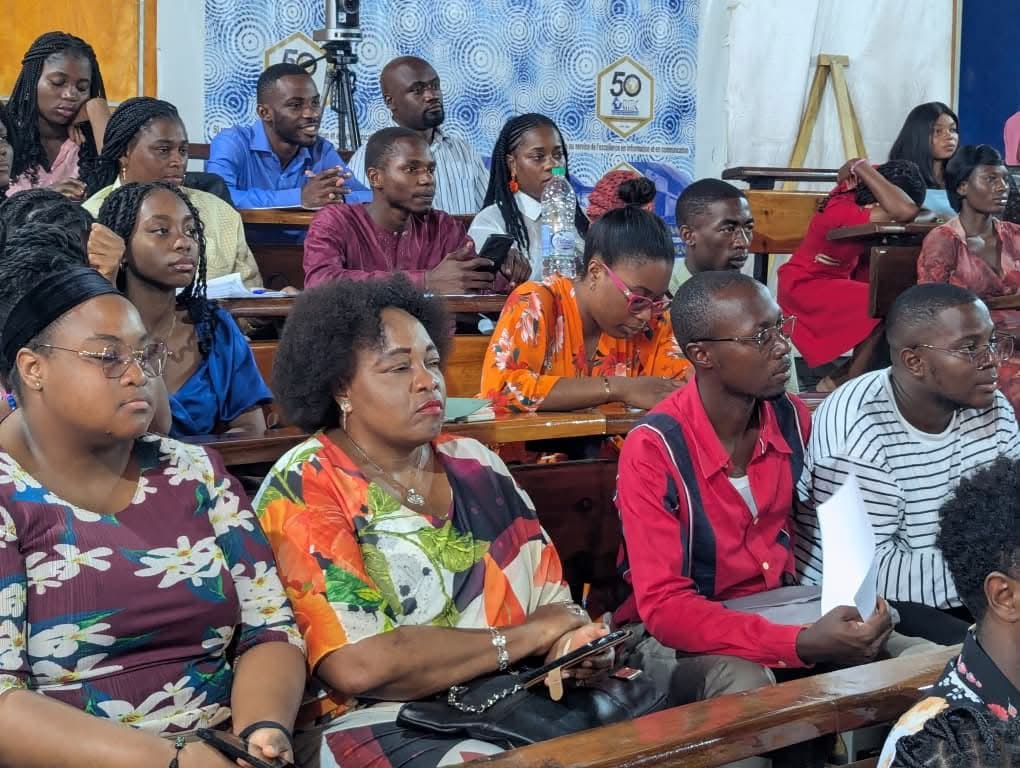
The meeting was held as part of activities marking the 81st National Victory Day in Russia, commemorated annually on May 9 at Red Square in Moscow and throughout Russia. Beyond the historical commemoration, the conference also symbolized a first step toward academic cooperation between ASMAC and the Russian Federation, opening new perspectives for students interested in academic mobility and international collaboration.
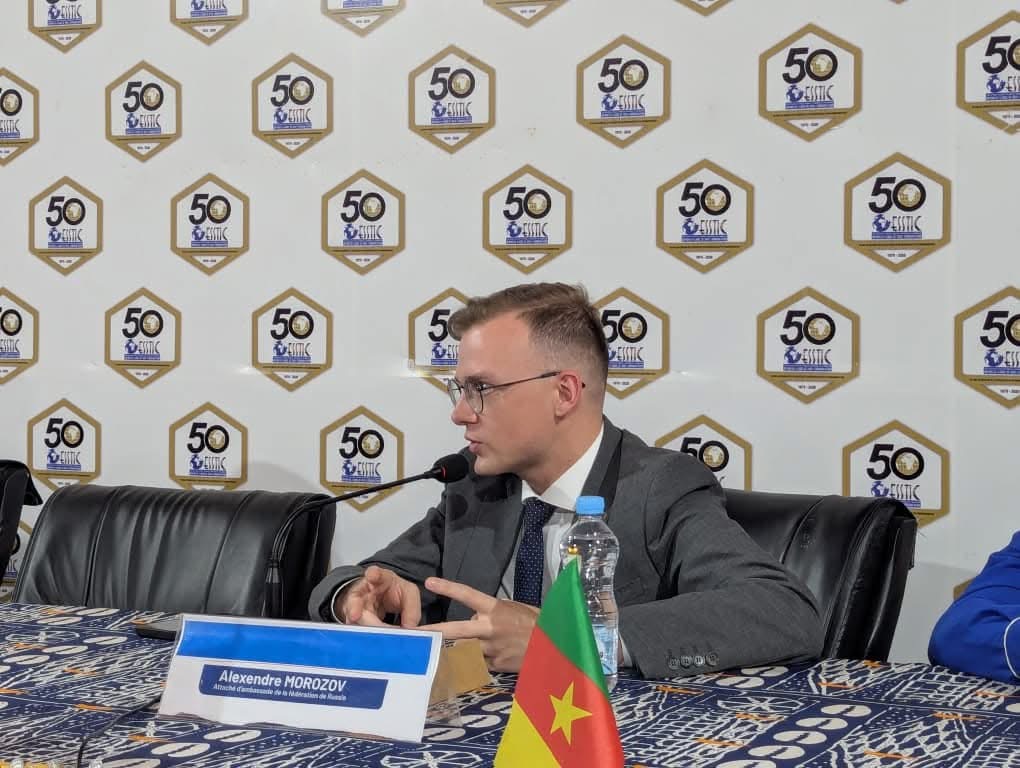
Several distinguished personalities formed the panel of speakers. Among them was Alexander MOROZOV, Economic Counselor at the Russian Embassy in Cameroon, who discussed the historical significance of Victory Day and the importance of preserving the memory of the sacrifices made during the Second World War. He was joined by François Marc MODZOM, Director of ASMAC; Olga GOGOLINA, a Russian representative involved in cultural and educational exchanges; and Francois NGAN TONYE, a member of the Association of Professors of Russian Language and Literature.
The discussions were moderated by Michelle NGOYONE MEKEME, who guided the exchanges between panelists and the audience, encouraging active participation from students. Through a series of presentations and interactions, the conference explored the role of historical memory in shaping international relations and strengthening intercultural understanding.
During the discussions, speakers emphasized that preserving the memory of the Second World War is essential for promoting peace and preventing future conflicts. They highlighted the responsibility of educational institutions and young people in keeping historical awareness alive through research, dialogue, and academic engagement.
Russia as an Academic Destination: Scholarships, Internships, and New Horizons
Beyond the historical dimension, the conference also addressed educational opportunities available to Cameroonian students in Russia. Panelists provided information on how students can apply for scholarships offered by Russian universities and government programs. They explained the procedures involved in obtaining these scholarships, including the academic requirements, application processes, and the role of diplomatic and cultural institutions in facilitating access to such opportunities.
Speakers also discussed internship opportunities in Russia, particularly in sectors such as technology, communication, engineering, and international relations. According to the panelists, these internships allow students to gain professional experience in an international environment while developing practical skills that can be valuable for their future careers.
Another important aspect of the conference focused on the benefits of studying in Russia. Panelists pointed out that Russian universities are known for their strong academic traditions, particularly in fields such as science, engineering, medicine, and technology. Students studying in Russia also benefit from exposure to a diverse cultural environment and access to internationally recognized training programs.
The speakers further emphasized that studying abroad can help young Cameroonians broaden their perspectives, strengthen their professional networks, and develop intercultural competencies. Such experiences, they noted, are increasingly important in a globalized world where international collaboration plays a crucial role in academic and professional development.
For many students in attendance, the conference provided not only a deeper understanding of historical memory but also practical insights into international academic opportunities. The interactive session allowed participants to ask questions about studying abroad, scholarship requirements, and possible career paths after international training.
By combining historical reflection with discussions on educational mobility, the conference created a platform for dialogue between students, academics, and diplomatic representatives. It also reinforced the growing academic and cultural ties between Cameroon and Russia.
As the event concluded, participants expressed hope that this initiative would mark the beginning of stronger cooperation between institutions such as ASMAC and Russian universities, paving the way for more academic exchanges, scholarships, and research collaborations in the future.